


Napoleon Bonaparte was criticised for winning battles simply because of luck. He famously retorted:
“I’d rather have lucky generals than good ones.”
More than a hundred years later, Eisenhower reaffirmed this point by saying:
“I’d rather have a lucky general than a smart general. They win battles.”
Probably, the above quote is misattributed to Napoleon. But why do I care? My learning from this is simple.
Deliberateness is overrated.
Serendipity is underrated.
A personal story. Of Serendipity. I had to travel 1000 kms away from my home for three days this week. For some personal work. My BIL accompanied me on this journey. I thought I was reading the same types of books for a long time. I desperately needed something new and fresh. So, I requested my BIL to recommend three short books from his library that he thinks I should read. I picked the one that looked the shortest and most relatable to me.
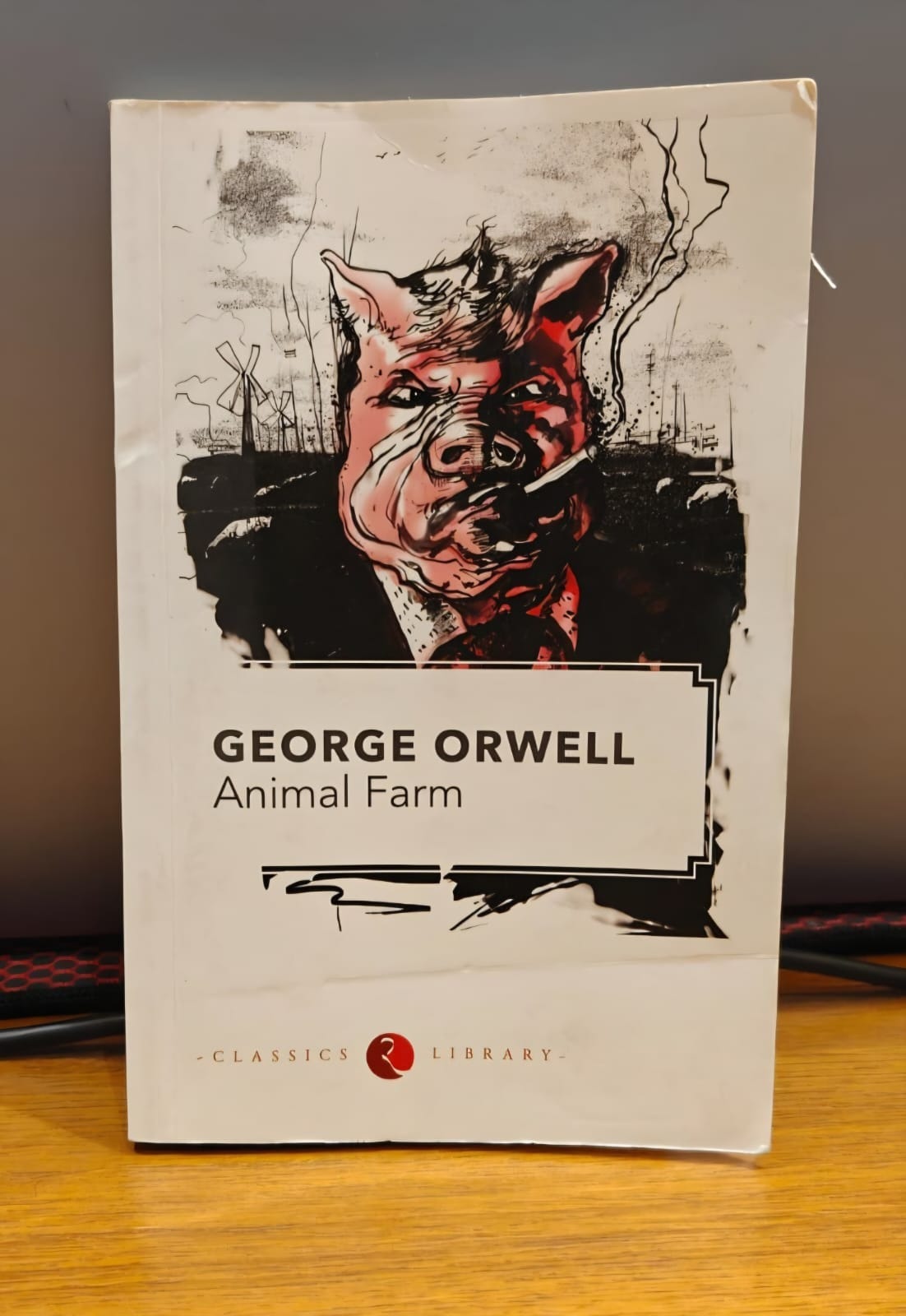
I think I finished reading it in 3-4 hours. And then re-read some of the portions again and again. And I think I will buy a copy for myself separately. As my BIL didn’t allow me to make the book dirty with my dark underlines and stupid ugly notes on the margin of the book. Some people are so possessive about their books. That is for another day. Odds are high that you have read this book already. But if you have not, I am not going to give away everything at the start. This piece is an attempt to rewrite the story of Animal Farm, keeping the same spirit and the plot. Some of the characters are also lifted from the book. But with just one small change. Instead of Animal Farm, it is going to be an Investor Farm. But before we begin the story, the standard disclaimers first.
All characters and events are fictitious and any resemblance to real people is purely coincidental.
There was once an old investor. We used to call him Charlie Dadu. He had been investing for many decades. One evening, after the market had closed and the media experts, both on TV and on social media, had finally stopped predicting where the Nifty would open the next morning, Charlie Dadu called all the investors of his farm. It was located somewhere in the outskirts of Mirzapur. There were value investors, growth investors, small-cap investors, microcap investors, momentum investors, turnaround investors, special-situation investors and a few investors whose philosophy changed depending upon which fund manager had appeared on YouTube that week. Charlie Dadu looked at them and said this.
“Countrymen! Looks like I may not be around for many more bull markets that lie ahead. Before I leave, I want to remind you what investing was supposed to be. We are investors because we want to participate in businesses. We want to understand entrepreneurs, industries, competition, balance sheets, capital allocation and human behaviour. We want to find a good business before the world understands it. We are supposed to read annual reports and quarterly conference call transcripts, understand fundamental triggers, meet customers, study competitors and then wait patiently. But somewhere along the way, something looks to be changing. Our love for access has outgrown our love for insight. Introductions today seem to matter more than understanding. Investments that are unavailable to others attract us more than businesses misunderstood by others.”
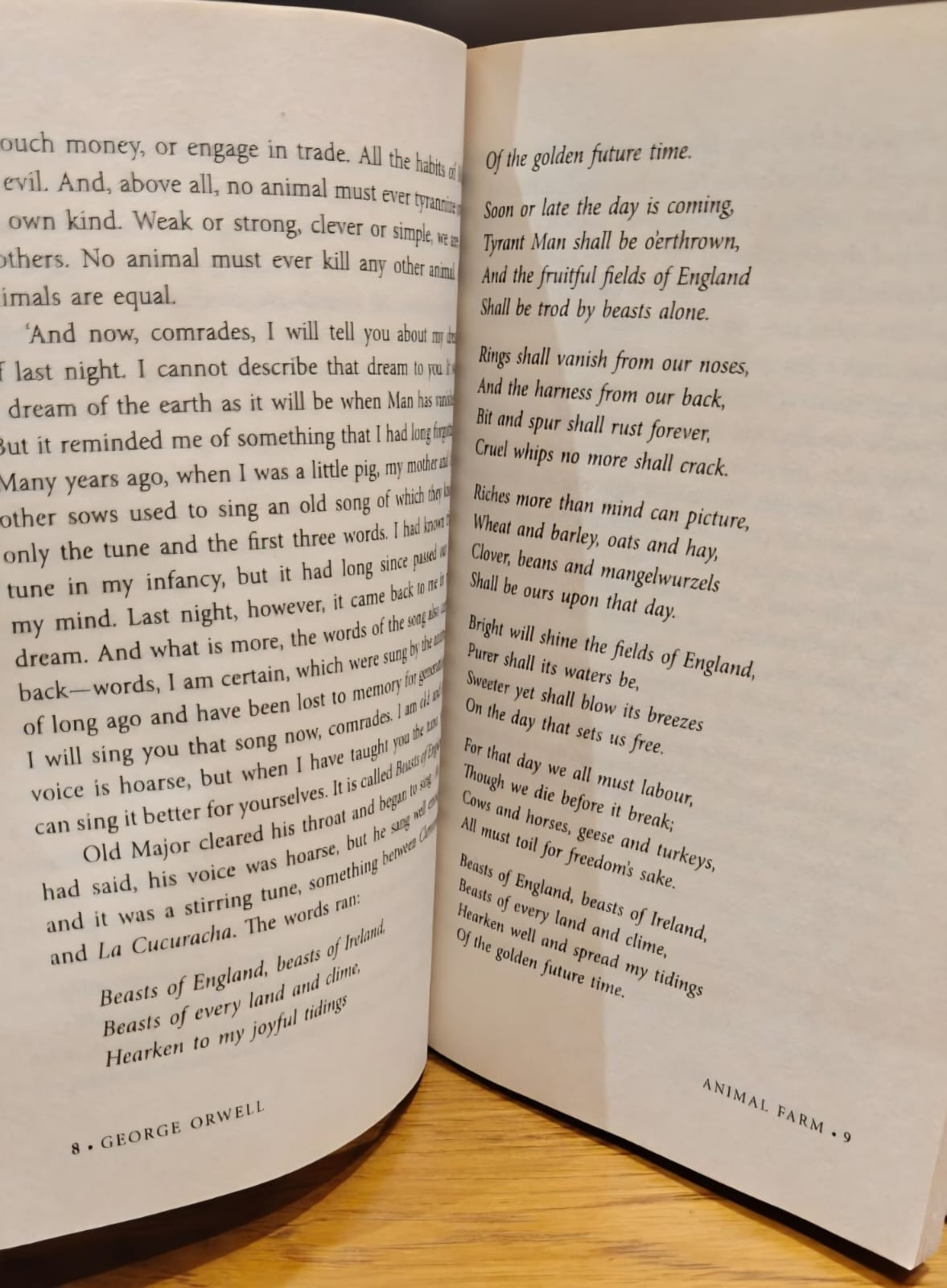
And pop comes out his notebook of checklist, and Charlie Dadu starts reading from the same.
Investors of Badlapur, Investors of Wasseypur,
Investors from every small town.
Listen closely to the Mirzapur stories of stocks,
Before the market marks them down.
Annual reports shall lie before us,
Concall transcripts by our side.
Governance, cash flows, earnings, and capital allocation,
Shall become our only guide.
No analyst meet or plant visit shall tempt us,
No prestigious WhatsApp group shall rule.
No exclusive opportunity
Shall make an investor fool.
Though the market may ignore us,
Though our stocks may fall by half.
We shall study, think and wait,
While social media experts laugh.
Investors of Bareli with portfolio of barfi size
Remember this simple design.
The greatest edge available to us
Is still an independent mind.
Refer Note [1] at the end of this piece.
The mood of each and every investor was like this.

For a change, nobody asked Charlie Dadu that evening about his top 3 stock tips. A new order was inevitable to survive and thrive in the changing time. Investors immediately started preparing for that. They came up with a novel idea. To build a place where an investor’s importance would not depend upon her net worth, fund size, social-media following, WhatsApp groups or ability to get a promoter to answer the phone.
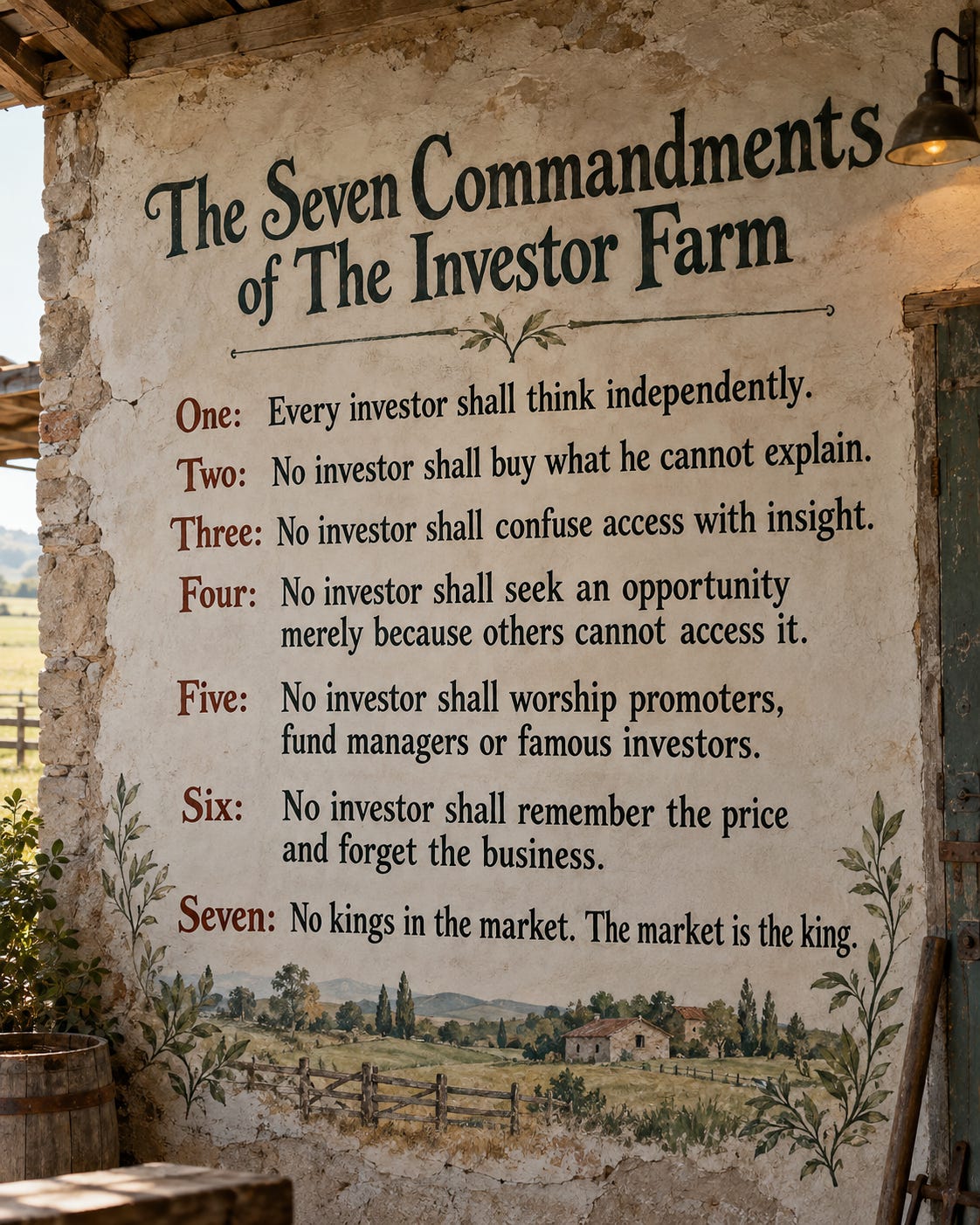
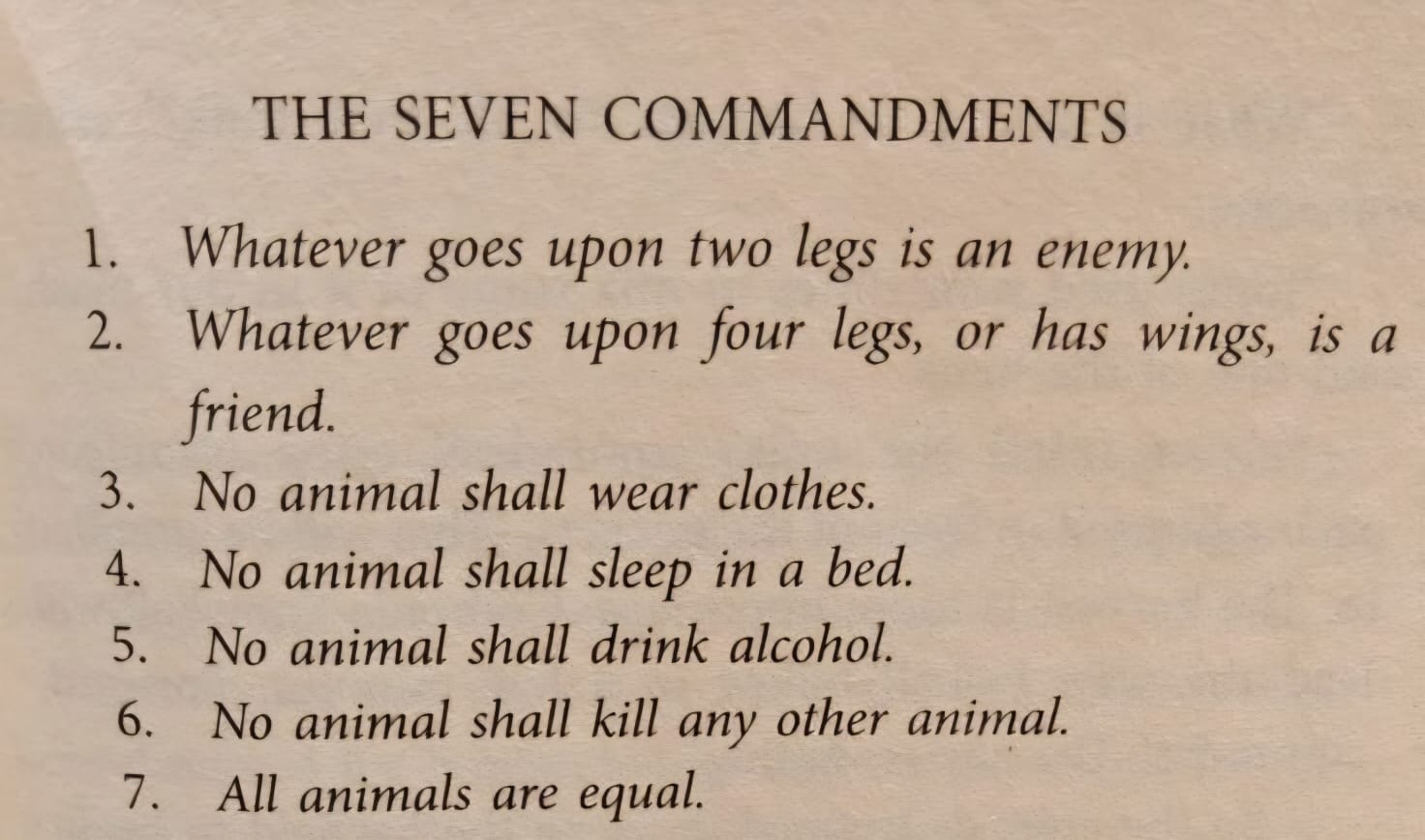
The next morning, seven commandments of Investor Farm were painted on a large wall.
One: Every investor shall think independently.
Two: No investor shall buy what he cannot explain.
Three: No investor shall confuse access with insight.
Four: No investor shall seek an opportunity merely because others cannot access it.
Five: No investor shall worship promoters, fund managers or famous investors.
Six: No investor shall remember the price and forget the business.
Seven: No kings in the market. The market is the king.
Refer Note [2] at the end of this piece.
For a few days or weeks, everything was spot on. The Investor Farm prospered exactly as Charlie Dadu had imagined. There was a group that read annual reports. Another studied credit ratings. Someone tracked industry capacity. Someone spoke to distributors. Someone visited factories. Disagreements were frequent. But nobody abused the messenger. Only the message was attacked. And all the attacks were confined to businesses, valuation, tailwinds, governance and so on and so forth. Nobody blocked anybody. A young investor with a ₹2 lakh portfolio could discover exactly the same business as a fund manager managing ₹200 crore. The market did not ask either investor for her AUM before accepting her order on the trading screen. It was beautiful. And in perfect harmony. No, no, no. Those were not the best days. The best days were ahead. Read On!
Among the early heroes of the Investor farm was one Warren Uncle. However, investors affectionately called him Snowball in the farm. For decades, Snowball preached and practiced painfully boring ideas. Understand the business. Stay within your circle of competence. Think about intrinsic value. Be suspicious of unnecessary complexity and leverage. Keep an eye on strong economics. Be patient. Do not mistake activity for intelligence. And never miss an enduring moat if available at a fair value. In the beginning, everybody loved Snowball. His annual letters circulated everywhere. His speeches were discussed endlessly. His photographs appeared in presentations about long-term investing. Everyone repeated his teachings at conferences and forwarded his quotations on WhatsApp every morning. On Twitter and Linkedin the best engagement hack was a post on Snowball. For many residents of Investor Farm, Snowball was the inspiration. But Snowball’s ideas carried an unfortunate defect. They were extremely inconvenient whenever somebody wanted to do something exciting. An investment banker would arrive with a complicated opportunity, and some irritating young investor would ask about cash flow. A popular business would be offered at an extraordinarily high valuation. And when you ask questions, you would be frowned upon. A business would operate in an industry nobody understood, and some old-fashioned uncle would say something about the circle of competence. Slowly, Snowball began creating problems. And hence, the writing was on the wall. Just a matter of time. And one day someone said this.
If you are short on time. Just watch from 7:30 for 90 seconds. That was like the beginning of the end for Snowball’s popularity. Soon, everything that went wrong on Investor Farm could somehow be attributed to Snowball. A cheap company remained cheap? Snowball-style investing no longer worked. A loss-making technology company doubled? Proof that Snowball could never understand the new economy. A company with almost no profits raised money at a magnificent valuation? Old valuation methods were obsolete. A pre-IPO investment became available to only twenty investors? Snowball had never operated in markets as sophisticated as these. A stock purchased at forty times sales fell 60%? That too was somehow evidence that traditional value investing had failed. Nobody seemed to remember that Snowball had never asked them to buy the stock in the first place. Snowball himself, of course, never came to Investor Farm to defend himself. He was sitting thousands of kilometres away, apparently unaware that he had become responsible for investors’ inability to make money from certain small caps, technology companies, preferential issues, pre-IPO deals and whatever investment fashion happened to disappoint that year. This made blaming him considerably easier.
This slowly became a habit on Investor Farm. Whenever an old principle prevents you from doing something exciting, declare that the principle is outdated.
Meanwhile, a new generation of exceptionally smart investors was rising inside Investor Farm. The most influential among them became known as Napoleon Capital. Initially Napoleon worked harder than everyone else. He could read a balance sheet quickly, understood businesses in depth and, most importantly, was an extraordinary networker. Naturally, he became popular. And because he was respected, promoters began inviting him to meetings. Then brokers invited him to conferences. Investment bankers invited him to dinners. Family offices added him to private groups. Private-equity investors began taking his calls. One evening Napoleon Capital returned to Mirzapur from Mumbai looking unusually pleased. A conversation with a small investor, Bitti Mishra, a tomboyish girl, went like this:
BM: What happened?
NC: There may be an opportunity.
BM: Which company?
NC: Cannot disclose.
BM: Which industry?
NC: Cannot disclose.
BM: Listed?
NC: Not yet.
BM: Profitable?NC: Early stage.
BM: Valuation?NC: Confidential.
BM: Then what exactly can you tell me?
NC: Allocation is very tight.
That sentence changed Investor Farm forever. Very limited allocation. It sounded far more exciting than “attractive free cash flow yield.” But an even more powerful sentence soon emerged: Not available to retail investors.
The people of the investor farm discovered pre-IPO shares. Then unlisted shares. Then preferential allotments. Then private placements. Then convertible securities. Then structured opportunities. Then secondary transactions in sought-after private businesses. Then shares of well-known unlisted institutions and exchanges. Then deals where understanding the business required ten minutes but gaining access required ten years of relationship building. Nobody quite knew why buying a company before its IPO automatically made it superior to buying the same company after its IPO. Yet the word “pre” created a strange halo. It suggested that the investor had arrived before everybody else, even when everybody else in the room had received exactly the same PowerPoint presentation. A listed company available to anyone at ₹100 could seem painfully ordinary. The same economics offered privately through an investment banker at an implied price of ₹140 suddenly became fascinating. But why? Because the listed opportunity required just a simple click, BUY. The private coveted opportunity required ACCESS. Access felt like an achievement.
Soon the culture of Investor Farm began changing. Investors who once introduced themselves by describing the industries they studied or the investing style they practiced now introduced themselves differently. A few introductions were like this: I manage ₹1000 crore.We advise a family office. I participated in the last round. We are on the committee. I know the promoter. We co-invest with institutions. I was offered the allocation along with only a select few.
Of all these introductions, the last commanded the greatest respect. Nobody asked whether the investment eventually made money. What mattered was that you got the allocation. Along with only a select few. Scarcity. A hierarchy quietly developed. At the bottom stood the ordinary retail investor. Above him stood the HNI. Above the HNI stood the family office. Above the family office stood the fund manager. Above the fund manager stood the investor invited to speak at conferences. Above him stood the person who moderated those conferences. And somewhere at the very top stood the investor who could enter the conference through a door that carried no signboard. The younger investors observed this quietly. They concluded that perhaps the most important skill in investing was no longer finding businesses. It was finding people who knew people who knew businesses. LinkedIn, Twitter and WhatsApp became more important. Dinners became research. Golf became due diligence. A photograph with a respected investor became evidence of intellectual seriousness. Someone created a group called India’s Most Thoughtful Long-Term Investors. Membership was by invitation. Six months later it had 347 members. Naturally, 41 of them created a more exclusive group. Eleven of those created another one. Eventually there was a final group containing seven investors. Nobody knew what those seven discussed. Therefore everybody desperately wanted to join. Status Games leading to Envy. Envy leading to greed. Greed leading to FOMO. And somewhere in all this, investing took a backseat.
It was around this time that residents began noticing subtle changes to the commandments. The Third Commandment, which had originally said “No investor shall confuse access with insight,” now appeared to read: “No investor shall confuse access with insight, unless the access itself provides insight.” Bitti Mishra protested again. Napoleon Capital explains to her again, quietly and patiently.
NC: Private meetings allowed sophisticated investors to ask better questions.
BM: But if everybody should receive the same information why is the meeting private?
NC: Because there are only twenty chairs.
Soon the Fourth Commandment changed as well. “No investor shall seek an opportunity merely because others cannot access it” became “No investor shall seek an opportunity merely because others cannot access it, unless scarcity creates favourable economics.”
Whenever anyone objected, Napoleon had acquired a convenient reply: “That’s Snowball’s outdated ideas. Markets have evolved.” Nobody was completely certain what this meant, but it usually ended the discussion. Around this period came the famous Preference Share Affair. An investment banker arrived at Investor Farm carrying neither an annual report nor an industry study. He carried a spreadsheet. A special opportunity. A highly respected group. Potentially very attractive returns. Limited risk. Structured Liquidity.This is the time you may ask what does structured mean. You may not be able to exit. For how long? Depends. On what? Various factors. Finally, he reveals his trump card. He shares who else is investing. Three famous investors. Due diligence died at that moment. Long live anchor investing.
The general consensus was that if those star investors were investing, they would have done the work. Nobody knew and nobody cared if those famous investors were investing at the same price, through the same instrument, with the same rights, for the same holding period or for the same reasons. But prestige had accomplished what cash-flow analysis could not.
Soon Investor Farm formed the Council for Thoughtful Capital Allocation and Long-Term Business Ownership. Nobody was completely certain what the Council did, but its name was outstanding. Meetings were held in five-star hotels. Photographs were taken before discussions began. The Council issued statements about patient capital, entrepreneurship, governance and nation building. Our Bitti Mishra applied for membership. She received a polite response: “Membership is currently restricted to institutional investors, family offices, fund managers and distinguished market participants. She had no choice but to return to her own investing notes. Carefully crafted after reading tons of conference call transcripts. Around the same time, promoter meetings became extremely fashionable. Once, investors met promoters to understand businesses. Now investors increasingly met promoters so that everybody else knew they had met promoters. Photographs appeared online.
Wonderful interaction with one of India’s finest entrepreneurs. Deeply insightful meeting with visionary management. Amazing clarity of thought. The never missed adding the SEBI disclosures:
Not a recommendation to buy or sell.
A wise man once said this:
“When most people say they want to be a millionaire, what they might actually mean is, ‘I’d like to spend a million dollars.’ And that is literally the opposite of being a millionaire.”
Meeting promoters have become something similar. They don’t really meet promoters for insight. They meet promoters to display their power of access.
Sometimes an investor would purchase shares in an unlisted company at an extraordinary valuation, wait eagerly for the IPO and then sell them after listing to ordinary investors who do not have such access. He would subsequently appear at a conference and explain the importance of long-term investing. Snowball’s old letters would still be quoted at these conferences. Probably, people had not completely stopped admiring Warren Uncle. They had merely separated admiration for his wisdom from the inconvenience of practising it. His photograph appeared on presentation slides. His quotations appeared on social media. His annual letters continued to be circulated as “Timeless wisdom.” But they hardly had time to read it. Even a ChatGPT summary of those letters would not attract enough investors. They returned to discussing the latest opportunity whose primary attraction was that almost nobody else could buy it.
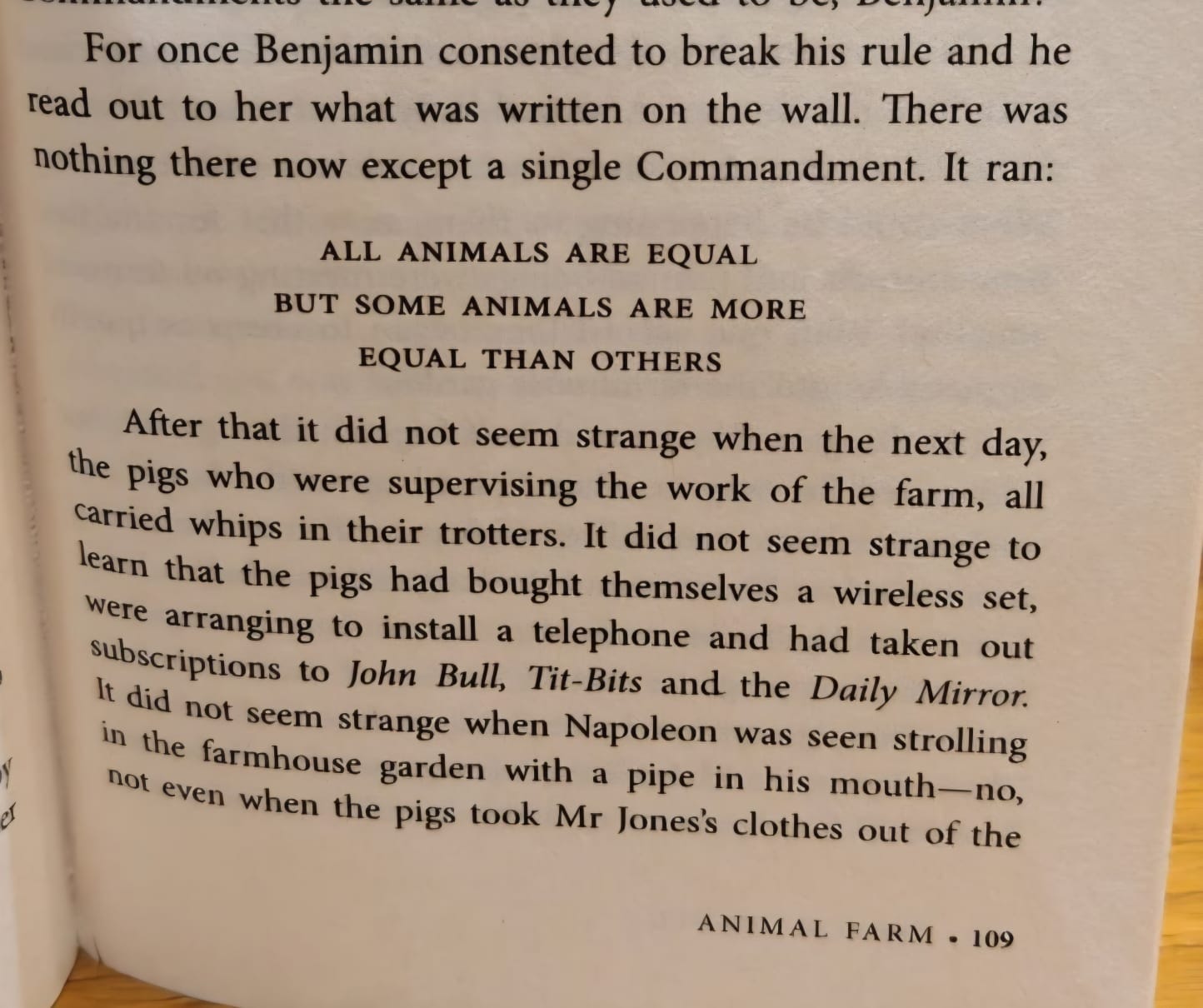
Meanwhile, outside all this excitement, the ordinary residents of Investor Farm continued working in the fields. They still read annual reports and conference call transcripts. They still examined working capital. They still tracked capacity utilisation. They still wondered why profits were increasing while operating cash flow was not. They still studied neglected industries and obscure businesses. Occasionally one of them found something wonderful. One young investor discovered a ₹450 crore manufacturing company trading at four times earnings. He studied five years of financial statements, spoke to three distributors, tracked competitors and discovered that the company had quietly built a strong niche. He presented the idea to Napoleon Capital. Napoleon listened carefully. “Interesting business,” he said, “but liquidity is very low.” The young investor nodded. “Yes.” “Market cap only ₹450 crore?” “Yes.” Napoleon shook his head. “Difficult for us.” That evening Napoleon invested in an unlisted company where there was no liquidity whatsoever. Years passed. Old Fundamentals disappeared. Snowball grew even older in Omaha. The newer generation of investors had never heard the original speech of Charlie Dadu on Investor Farm. Nobody remembered the entire song. Very few could recall all seven commandments. One evening, an old retail investor happened to walk past the wall. Something looked different. A young analyst stepped forward. The seven commandments had disappeared. Only one remained:
ALL INVESTORS ARE EQUAL. BUT SOME INVESTORS HAVE BETTER ACCESS THAN OTHERS.
Refer Note [3] at the end of this piece.
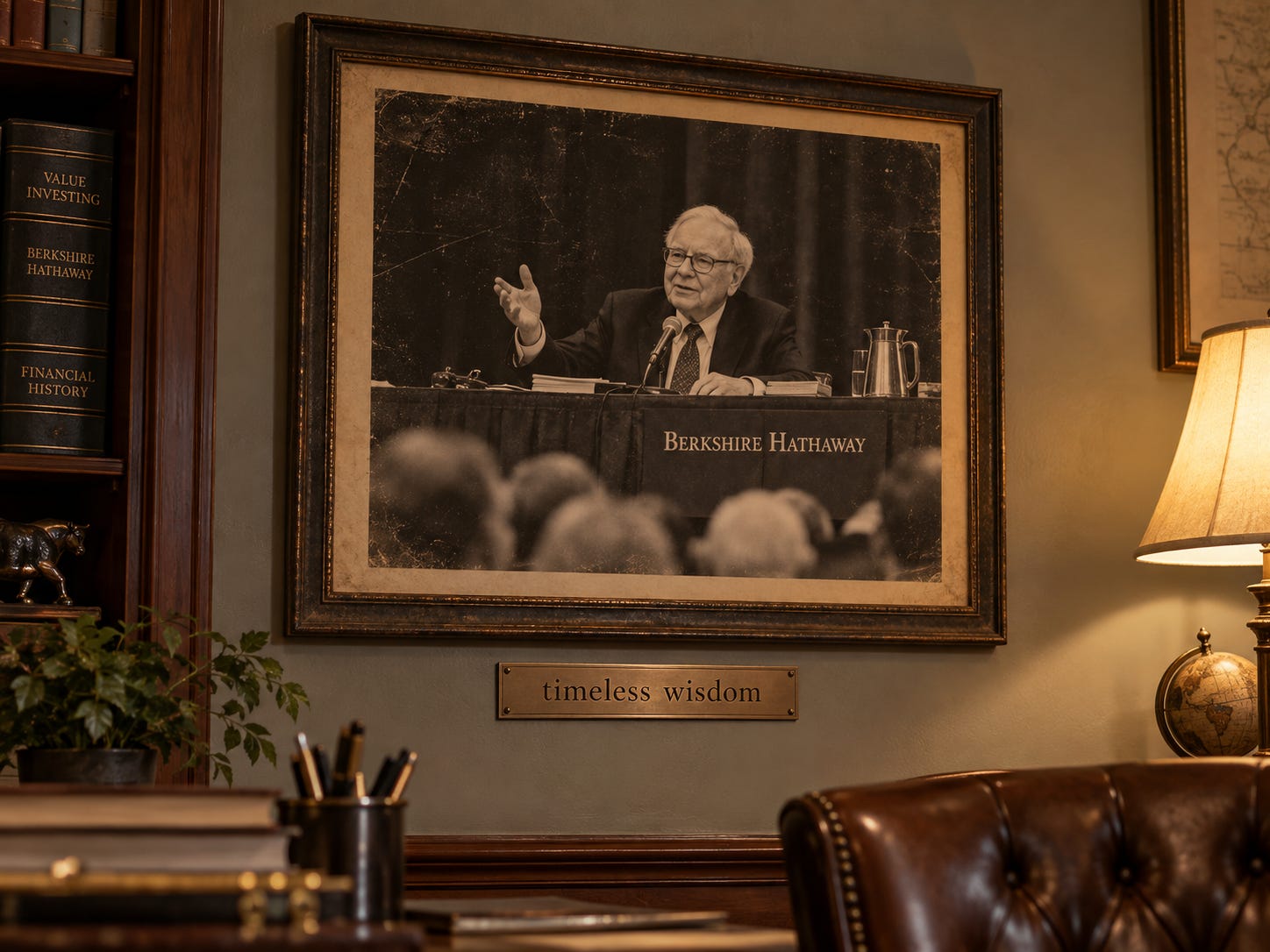
The old investor stared at the words and then looked towards the clubhouse. Only a selected few had access to it. Inside, Investor Farm’s most celebrated investors were dining with investment bankers, promoters, private-equity managers and family offices. Apreferential allotment. A secondary transaction in an unlisted company. A pre-IPO round. A membership of an exclusive committee. Introductions. On one wall hung an old photograph of Warren Uncle addressing Berkshire shareholders. Beneath it somebody had written: TIMELESS WISDOM.
Outside the clubhouse sat a young investor underneath a small lamp, reading the latest conference call transcript of a microcap business.

He had no preferential allotment. No pre-IPO access. No private placement. No invitation to dinner. No membership of the prestigious committee. No promoter’s personal number. No famous investor on speed dial. He possessed only a balance sheet, a business, a market price and his own mind.
Charlie Dadu is now no more on Earth. He is looking down from upstairs. He can see the young investor outside the clubhouse. And tears roll down his cheeks to see atleast one investor following his advice. And then he peeks into the clubhouse. He can see celebrity investors, investment bankers, promoters, dealmakers and so on and so forth. After watching them for some time, he finds it difficult to tell who is who.
The Investor Farm story ends here.
Note: It’s a light-hearted satire inspired from a 100-year old satirical book. Don’t take anything personally.
Two thoughts I want you to savour after you have finished reading this piece. The first one is from Robert Greene.
“People will constantly attack you in life. One of their main weapons will be to instill in you doubts about yourself – your worth, your abilities, your potential. They will often disguise this as their objective opinion, but invariably it has a political purpose – they want to keep you down.”
Most, not all, of the celebrity investors are no different. Don’t be bogged down by how they treat investors like you and I. Focus more on insights than access. Nothing wrong with access. But access should not overtake insights. Never.
And here’s the final thought. This is by a famous runner and author, Dr. George Sheehan:
“It’s very hard in the beginning to understand that the whole idea is not to beat the other runners. Eventually you learn that the competition is against the little voice inside you that wants you to quit.”
Don’t quit. Survive. Survive to Thrive.
Thanks for reading!
Notes:
[1] The Chalir Dadu song’s inspiration
[2] The Seven Commandment’s inspiration
[3] The Final Single Commandment’s inspiration
Know more about Zen Nivesh and our origin story here.
kudos for great write-up and bringing the timeless wisdom of this great old book to timely reflection of current investment scenario..i think the trend would continue in future courtesy to another timeless quote of the Snowball of Omaha " because nobody wants to get rich slowly".
Very well written. Aptly conveys today's scenario